A dental examination is a routine check-up where the dentist carefully assesses your teeth, gums, and mouth. It usually includes professional dental cleaning, dental X-rays if necessary, and a visual check by a dentist or hygienist. Regular exams are essential for preventing problems, as they detect cavities and gum disease early, before they become painful or lead to tooth loss.

Routine Dental Exams
Routine exams are the standard check-ups most people get every six months. During this visit, a hygienist removes plaque and tartar and polishes your teeth. The dentist checks for cavities, gum health, bite alignment, or other issues. These preventive exams help spot small problems before they grow. They may also include fluoride treatments or sealants, especially for children, to prevent future decay. Good daily brushing and flossing, combined with these regular visits, keep your smile healthy over time.
Comprehensive Dental Exams
Comprehensive exams are more detailed and usually for new patients or those who haven’t seen a dentist in a while. The dentist reviews your full oral health, examining each tooth, fillings, bite, and jaw function. This type of exam often includes more X-rays or oral photos. It also covers your medical and dental history, and you can discuss any concerns or symptoms. The purpose is to create a complete baseline of your oral health, which guides future care.
Pediatric Dental Exams
Children should see a dentist within six months of their first tooth erupting or by their first birthday. Pediatric exams focus on growth and development, checking that teeth and jaw bones are forming properly. Dentists look for early decay, give brushing and diet tips, and may apply fluoride or sealants. Exams are made fun and friendly to help kids feel comfortable. These early visits set the stage for healthy habits and ongoing check-ups as the child grows.
Specialty Dental Exams
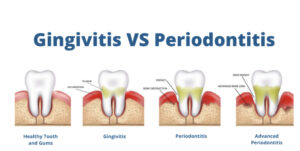
- Periodontal (Gum) Exams: For people with gum disease or higher risk, the dentist measures gum-pocket depth, checks tissue health, and may take X-rays to assess bone levels. These exams are crucial for diagnosing and managing gum disease.
- Orthodontic Evaluation: The dentist assesses bite alignment and jaw growth, especially in children and teens. If needed, you may be referred for braces or aligners.
- Oral Cancer Screening: Almost every dental exam includes a check for unusual lumps, sores, or changes in the mouth. Early detection of oral cancer makes treatment more successful.
Emergency and Diagnostic Exams
Emergency exams are for sudden dental problems such as severe tooth pain, a knocked-out tooth, or swelling from an abscess. The dentist diagnoses the issue quickly, often with X-rays, and provides immediate care to relieve pain and stabilize the situation. This may involve antibiotics, a temporary filling, or root canal therapy. The focus is on urgent relief and safety, with follow-up appointments to complete treatment if needed.
Preoperative Dental Exams
Before major dental procedures like oral surgery or implants, a preoperative exam is done. The dentist reviews overall oral health to confirm it is safe to proceed. Any infections or untreated cavities are managed first. This exam may involve extra X-rays or scans to help plan the surgery. It ensures the procedure goes smoothly and lowers the risk of complications, such as infections or delayed healing.
Conclusion
Dental exams come in many types, each with a specific purpose, from routine check-ups that keep your teeth clean to emergency visits that address urgent pain. Whether it’s your child’s first exam, a comprehensive baseline check, or a specialized gum or cancer screening, each type plays a role in protecting your oral and overall health. Staying on schedule with the right exam for your needs keeps your smile strong for life.
FAQs
What are the most common types of dental examinations?
The most common are routine exams every six months, comprehensive exams for new patients, pediatric exams for children, periodontal exams for gum health, emergency exams for urgent issues, and preoperative exams before major treatments.
How often should I schedule a routine dental check-up?
Most people should see their dentist every six months. Those with higher risk factors, such as gum disease or frequent cavities, may need more frequent visits.
What is included in a comprehensive dental exam?
A comprehensive exam covers a full review of your teeth, gums, bite, and jaw. It often includes X-rays, photos, and a medical history review to create a complete baseline of your oral health.
How do pediatric dental exams differ from adult check-ups?
Pediatric exams focus on growth and development of baby teeth and jaws. They include advice for parents, fluoride treatments, and sealants, all in a kid-friendly setting.
When should I have an emergency dental exam?
You should seek an emergency exam if you experience severe tooth pain, swelling, trauma, or a knocked-out tooth. These visits aim to relieve pain and stabilize the problem quickly.
What happens during a periodontal (gum) examination?
The dentist measures gum-pocket depth, checks tissue health, and may take X-rays to evaluate bone support. This helps diagnose and manage gum disease.
Why are oral cancer screenings done at dental exams?
Oral cancer screenings are included to detect unusual sores, lumps, or tissue changes. Early detection greatly improves treatment success.