Dental implants are a revolutionary solution for replacing missing teeth, but one question often arises among patients: what is the typical implant lifespan? Understanding the factors that affect implant longevity can help you make informed decisions about your oral health. If you are looking for a trusted provider, dental clinic Vancouver offers comprehensive consultations to guide you through the process.
Dental implants are designed to be a long-term solution for missing teeth. With good oral hygiene, regular dental checkups, and healthy gums, the implant post itself can often last for decades. However, the visible crown attached to the implant may need repair or replacement over time because of normal chewing wear.
Implant lifespan depends on factors such as daily brushing and flossing, smoking, teeth grinding, gum health, and regular professional care. A dentist can help protect your investment by monitoring the implant, crown, and surrounding bone during routine visits.
What Determines the Implant Lifespan?
The lifespan of a dental implant is influenced by several key factors. On average, implants can last anywhere from 10 to 30 years, and in many cases, even a lifetime with proper care. Here are the main factors that determine implant longevity:
- Oral Hygiene: Maintaining good oral hygiene is crucial. Plaque buildup around the implant can cause peri-implantitis, leading to implant failure.
- Bone Quality: Sufficient jawbone density ensures that the implant integrates securely. Patients with lower bone density may require bone grafts.
- Lifestyle Habits: Smoking and excessive alcohol consumption can negatively affect the healing process and reduce the implant lifespan.
- Professional Care: Regular dental check-ups are essential. Your dentist can detect early signs of implant complications.
A visit to a professional clinic like Dental implant Vancouver can provide a personalized plan for extending your implant lifespan.
Average Lifespan of Different Types of Implants
Dental implants vary by type and material, which impacts their durability. The table below summarizes the typical lifespan of common implants:
| Implant Type | Material | Average Lifespan | Notes |
|---|---|---|---|
| Endosteal Implant | Titanium | 15–25 years | Most common; highly durable |
| Subperiosteal Implant | Titanium/Alloy | 10–15 years | Used when bone is insufficient |
| Zirconia Implant | Zirconia | 15–20 years | Metal-free alternative; aesthetic focus |
| Mini Dental Implant | Titanium | 5–10 years | Less invasive; suitable for temporary solutions |
By understanding these differences, patients can choose the option that best aligns with their needs and desired implant lifespan.
Tips to Maximize Your Implant Lifespan
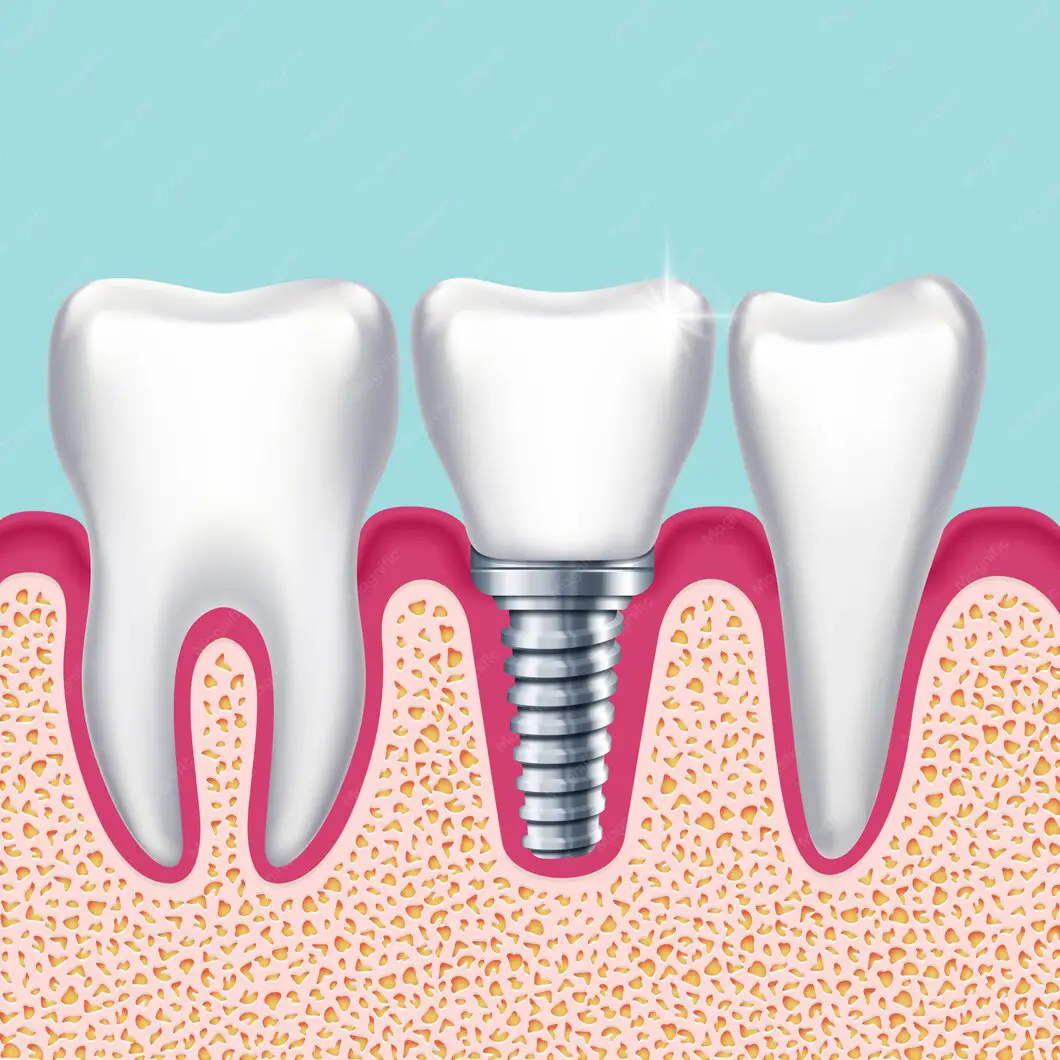
Optimizing the longevity of dental implants is possible with consistent care and healthy habits. Here are proven strategies:
- Maintain Oral Hygiene: Brush twice daily, floss carefully, and use antimicrobial rinses.
- Avoid Excessive Force: Avoid chewing very hard foods or using your teeth as tools.
- Quit Smoking: Smoking significantly reduces the implant lifespan by impairing healing.
- Regular Dental Visits: Routine check-ups allow early intervention if any complications arise.
- Manage Health Conditions: Conditions like diabetes can affect healing; proper management is crucial.
Patients who follow these guidelines often experience a significantly extended implant lifespan, ensuring a long-term investment in their smile.
Signs That Your Implant May Need Attention
Even well-maintained implants can occasionally face issues. Watch for these warning signs:
- Persistent discomfort or pain around the implant
- Swelling, redness, or bleeding of the gums
- Loosening of the implant
- Difficulty chewing or biting
Early detection and treatment are key to preserving implant lifespan. Professional guidance from a specialized dental clinic Vancouver can prevent small problems from becoming major complications.
Conclusion
Understanding implant lifespan is essential for anyone considering dental implants. With the right oral care, lifestyle choices, and professional support, dental implants can last decades, providing a reliable and aesthetically pleasing solution for missing teeth. For personalized advice on maximizing your implant lifespan, consult an experienced provider like Dental implants Vancouver.