Cavities are one of the most common dental problems affecting both children and adults. Fortunately, cavity prevention is possible when the right oral hygiene habits, healthy nutrition, and professional dental care are combined. Understanding how cavities form and how to stop them early helps protect your teeth and maintain a healthy smile.
A consistent oral care routine is the foundation of effective cavity prevention. Brushing, flossing, and reducing sugar intake protect tooth enamel and prevent harmful bacteria from damaging the teeth.
Regular dental visits are also essential. Visiting a professional dental clinic allows dentists to monitor your oral health, remove plaque buildup, and detect early signs of decay before they turn into cavities.
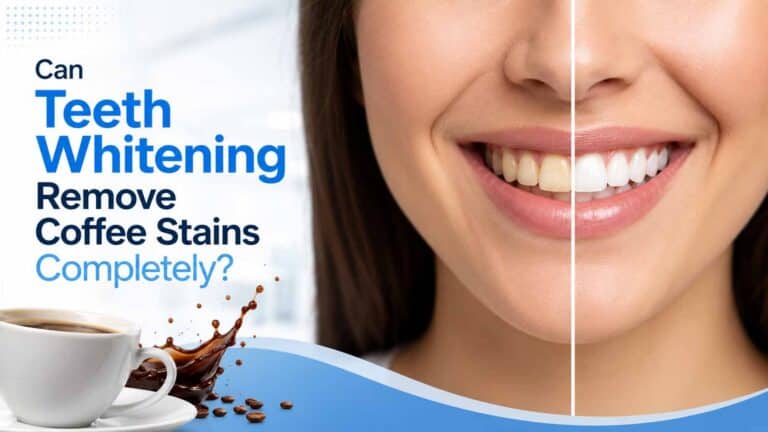
Many patients who improve the appearance of their smile also develop better hygiene habits. Treatments like Teeth Whitening often encourage people to brush and floss more consistently, which supports stronger cavity prevention routines.
If you are searching for dental clinic near me, Willow Dental is ready to help with professional dental services designed to protect your teeth and support long term cavity prevention.
What Causes Cavities and Why Cavity Prevention Matters
Cavities form when bacteria in the mouth produce acids that gradually damage tooth enamel. Without proper cavity prevention, this acid attack creates small holes in the teeth that grow larger over time.
The table below shows the most common causes of cavities and how they affect dental health.
| Cause | How It Affects Teeth | Prevention Tip |
|---|---|---|
| Sugary foods | Feed bacteria that create acid | Limit sugary snacks |
| Poor oral hygiene | Allows plaque buildup | Brush and floss daily |
| Lack of fluoride | Weakens enamel protection | Use fluoride toothpaste |
| Acidic drinks | Erodes enamel surface | Reduce soda consumption |
| Skipping dental visits | Delays early cavity detection | Visit a dentist regularly |
Understanding these causes makes cavity prevention much easier because you can focus on reducing the main risk factors.
Daily Habits That Support Cavity Prevention
Developing healthy oral hygiene habits is the most reliable way to reduce the risk of tooth decay. A strong routine removes bacteria and strengthens enamel.
Brush Your Teeth Properly
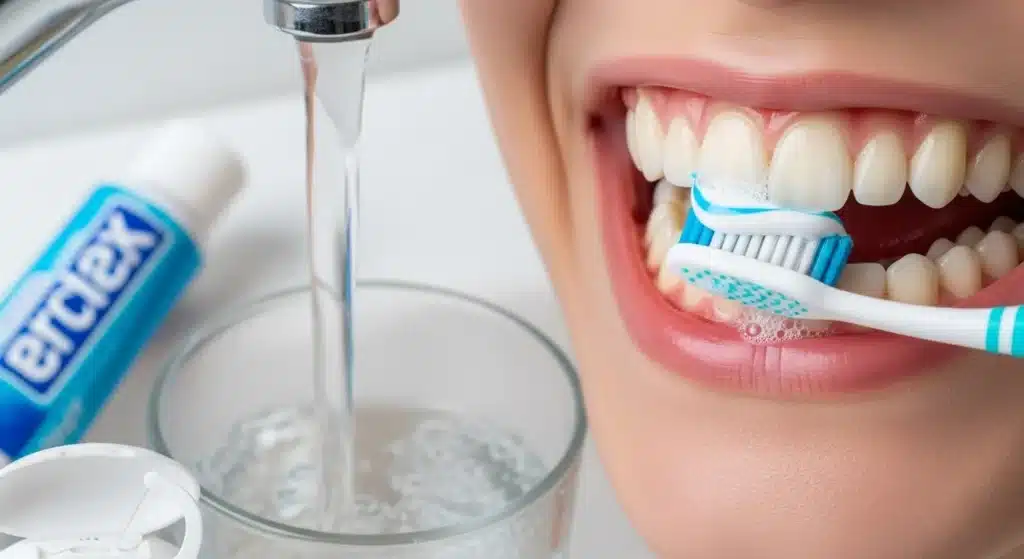
Brushing twice a day is one of the most important steps in cavity prevention. Fluoride toothpaste strengthens enamel and helps remove plaque.
The following table explains proper brushing guidelines.
| Brushing Step | Recommendation |
|---|---|
| Frequency | Brush twice daily |
| Duration | At least 2 minutes |
| Toothbrush type | Soft bristle brush |
| Toothpaste | Fluoride based toothpaste |
| Replacement | Change toothbrush every 3 months |
Following these brushing habits greatly improves cavity prevention and protects long term oral health.
Floss Every Day
Flossing removes food particles and plaque from areas that toothbrushes cannot reach. Cavities often form between teeth when these areas are ignored.
Benefits of daily flossing include:
- Removing hidden plaque
- Reducing bacteria between teeth
- Supporting healthy gums
- Improving cavity prevention
Consistent flossing reduces the chance of hidden decay developing between teeth.
Use Fluoride Products
Fluoride strengthens enamel and helps reverse early tooth decay. It is one of the most important tools used in modern cavity prevention.
Common fluoride sources include:
- Fluoride toothpaste
- Fluoride mouth rinses
- Professional fluoride treatments
Fluoride helps enamel resist acid attacks and protects teeth from future damage.
Best Foods for Cavity Prevention
Your diet plays a major role in protecting your teeth. Certain foods strengthen enamel while others increase cavity risk.
The table below highlights foods that support cavity prevention.
| Food Category | Examples | Benefit for Teeth |
|---|---|---|
| Dairy products | Milk, cheese, yogurt | Provide calcium for enamel strength |
| Crunchy vegetables | Carrots, celery | Help clean teeth naturally |
| High fiber foods | Apples, leafy greens | Stimulate saliva production |
| Water | Plain drinking water | Washes away food particles |
| Nuts and seeds | Almonds, walnuts | Provide minerals for enamel |
Including these foods in your diet can improve oral health and support effective cavity prevention.
Professional Treatments That Help With Cavity Prevention
Even with excellent home care, professional dental treatments are essential for complete cavity prevention.
Dental Sealants
Dental sealants are protective coatings placed on the chewing surfaces of molars. They block bacteria and food from getting trapped in deep grooves.
Benefits of dental sealants include:
- Protecting vulnerable back teeth
- Reducing cavity risk for children and adults
- Providing long lasting protection
Professional Dental Cleanings
Professional dental cleanings remove hardened plaque called tartar. Tartar cannot be removed with regular brushing alone.
The table below explains the benefits of professional dental cleaning.
| Benefit | How It Helps |
|---|---|
| Plaque removal | Eliminates bacteria buildup |
| Tartar removal | Prevents enamel damage |
| Gum health improvement | Reduces gum inflammation |
| Early cavity detection | Identifies problems sooner |
These treatments support long term cavity prevention and keep teeth healthy.
Early Signs That Cavities May Be Developing
Recognizing the early symptoms of tooth decay allows for faster treatment and better cavity prevention.
Common warning signs include:
- Tooth sensitivity to cold or sweet foods
- Dark spots on teeth
- Pain when chewing
- Persistent bad breath
- Small holes or pits in teeth
If you notice these symptoms, visiting a dentist quickly can prevent the cavity from worsening.
Building a Long Term Cavity Prevention Routine
Healthy teeth require consistent care and smart lifestyle habits. A successful cavity prevention strategy includes both daily oral hygiene and professional dental support.
The table below summarizes an ideal prevention routine.
| Habit | Frequency | Purpose |
|---|---|---|
| Brushing | Twice daily | Remove plaque and bacteria |
| Flossing | Once daily | Clean between teeth |
| Drinking water | Throughout the day | Rinse away food particles |
| Healthy diet | Daily | Strengthen enamel |
| Dental checkups | Every 6 months | Detect problems early |
When these habits become part of your daily routine, cavity prevention becomes much easier and more effective. Consistent care protects tooth enamel and helps maintain a strong, healthy smile for years to come.