Your daily diet has a bigger effect on your smile than many people realize. When people search for bad food for teeth, they usually want a clear answer: which foods actually increase the risk of cavities, enamel erosion, and tooth sensitivity? The truth is simple. Some foods are far worse for teeth because they are sticky, acidic, sugary, or easy for bacteria to feed on.
If you want to protect your smile and get professional advice early, booking a visit with a trusted Dental office in Vancouver is a smart step, especially if you have started noticing sensitivity or signs of decay.
Understanding bad food for teeth is not about fear. It is about making better choices more often. You do not need to avoid every treat forever, but you should know which foods are the most harmful and why. Below are 12 bad food for teeth that deserve extra caution.
Why Certain Foods Are Bad Food for Teeth
Foods that damage teeth usually do one or more of these things:
- Feed harmful bacteria in the mouth
- Stick to the enamel for a long time
- Increase acid attacks on teeth
- Wear down enamel over time
- Raise the risk of plaque buildup
This is why bad food for teeth is not limited to candy alone. Some everyday snacks and drinks can be just as harmful, or even worse, when consumed often.
1. Sticky Candy
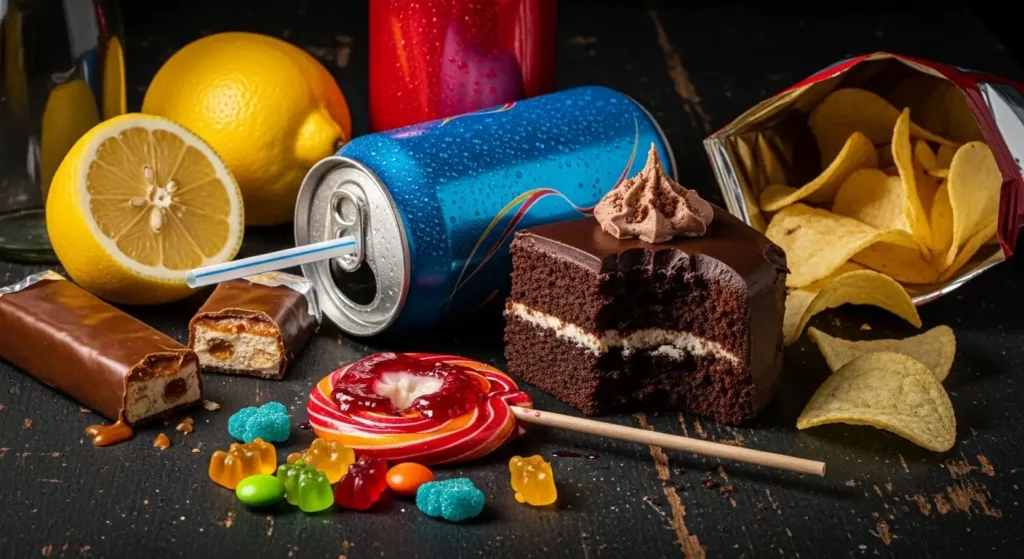
Sticky candy is one of the clearest examples of bad food for teeth. Caramel, toffee, and gummy candy cling to the surface of teeth and stay there longer than most foods. That gives bacteria more time to produce acid and attack the enamel.
Because sticky sweets are hard to wash away with saliva, they are much more damaging than foods that pass through the mouth quickly.
2. Hard Candy
Hard candy may seem less harmful than sticky candy, but it can still be one of the worst types of bad food for teeth. It stays in the mouth for a long time, exposing teeth to sugar for several minutes. Some people also bite down on hard candy, which can lead to chipped or cracked teeth.
That combination of long sugar exposure and possible physical damage makes it a poor choice for oral health.
3. Soda
Soda is one of the most common forms of bad food for teeth because it combines two major problems: sugar and acid. Even diet soda can still be highly acidic, which means it may weaken enamel even without regular sugar.
Frequent soda consumption can lead to:
- Enamel erosion
- Cavities
- Tooth sensitivity
- Staining over time
4. Energy Drinks
Energy drinks are often overlooked, but they are definitely bad food for teeth. Many of them contain large amounts of sugar and acid, making them especially harsh on enamel. Sipping them slowly during the day makes the problem even worse because teeth stay under attack for longer periods.
5. Sports Drinks
Many people assume sports drinks are healthier than soda. For your teeth, that is not always true. Sports drinks can contain both sugar and acid, which makes them another example of bad food for teeth.
Unless someone is doing intense athletic activity, these drinks are often unnecessary and can still contribute to decay and enamel wear.
6. Potato Chips
Potato chips may not taste sweet, but they are still considered bad food for teeth. Why? Because starch breaks down into sugar in the mouth. Chips also get stuck between teeth and in the grooves of molars, where bacteria can feed on them.
This makes chips a surprisingly common contributor to plaque buildup and cavities.
7. White Bread
White bread is another overlooked example of bad food for teeth. As you chew it, the refined starch begins to turn into sugar. The soft texture also allows it to stick to teeth, especially if oral hygiene is already inconsistent.
Whole foods are usually a better choice than highly processed refined carbs when it comes to dental health.
8. Dried Fruit
Dried fruit often has a healthy reputation, but it can still be bad food for teeth. Raisins, dried mango, dates, and apricots are concentrated in sugar and have a sticky texture that allows them to cling to enamel.
This means dried fruit can behave a lot like chewy candy inside the mouth.
9. Citrus Fruits
Citrus fruits such as lemons, oranges, and grapefruits are nutritious, but frequent exposure can still make them bad food for teeth in certain situations. Their acidity can gradually soften enamel, especially when they are eaten often throughout the day or combined with acidic drinks.
This does not mean citrus should be avoided completely. It means moderation matters.
10. Ice
Ice contains no sugar, but chewing it is still bad for oral health. It may not fit the usual sugary image of bad food for teeth, yet it can cause chips, cracks, and damage to dental work such as fillings or crowns.
Teeth are strong, but they are not meant to crush hard frozen objects.
11. Flavoured Yogurt
Plain yogurt can be a good option, but flavoured yogurt is often packed with added sugar. That makes it another form of bad food for teeth, especially for children who eat it regularly as a snack.
Reading labels helps. Some yogurts contain much more sugar than people expect.
12. Ice Cream
Ice cream is one of the most familiar types of bad food for teeth because of its sugar content. For some people, it also triggers tooth sensitivity due to its cold temperature. If eaten often, especially without rinsing afterward, it can contribute to enamel problems and decay.
Table: 12 Bad Food for Teeth and Why They Matter
| Bad food for teeth | Main reason it is harmful | Common risk |
|---|---|---|
| Sticky candy | Clings to teeth for a long time | Cavities |
| Hard candy | Long sugar exposure and possible breakage | Cavities and chipped teeth |
| Soda | High sugar and acid | Enamel erosion |
| Energy drinks | Acidic and sugary | Sensitivity and decay |
| Sports drinks | Acid and sugar combination | Enamel wear |
| Potato chips | Starch turns into sugar and sticks | Plaque buildup |
| White bread | Refined carbs convert to sugar | Cavities |
| Dried fruit | Sticky and concentrated sugar | Tooth decay |
| Citrus fruits | High acidity | Enamel softening |
| Ice | Can crack or chip teeth | Tooth damage |
| Flavoured yogurt | Hidden added sugar | Cavity risk |
| Ice cream | Sugar and cold sensitivity | Decay and discomfort |
How to Reduce the Impact of Bad Food for Teeth
You do not need a perfect diet to protect your smile. Still, if you regularly consume bad food for teeth, a few habits can make a real difference:
- Eat sugary foods with meals instead of frequent snacking
- Drink water after acidic or sweet foods
- Avoid sipping sugary drinks for hours
- Do not brush immediately after acidic foods
- Floss daily to remove stuck food particles
- Visit your dentist for regular exams and Dental Cleanings
These simple steps help reduce the damage caused by bad food for teeth and support a healthier mouth overall.
Final Thoughts
Knowing the top examples of bad food for teeth can help you make smarter daily choices. Sticky candy, soda, chips, dried fruit, citrus, and other common items may seem harmless in the moment, but frequent exposure can slowly damage enamel and increase the risk of cavities. The good news is that awareness goes a long way. When you understand which 12 foods are hardest on your teeth, you can limit them, improve your habits, and protect your smile more effectively.