Bright, healthy smiles are increasingly desired, and many individuals ask: how to whiten teeth naturally. This article presents an evidence-based, clear, and practical overview of natural teeth-whitening methods, their mechanisms, realistic expectations, and when to seek professional care.
Why do teeth become discoloured?
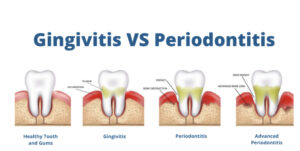
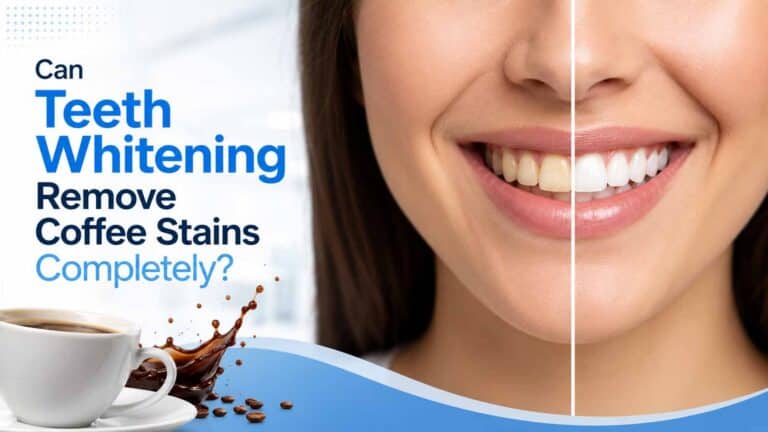
Teeth discolouration arises from both extrinsic (surface) and intrinsic (within-tooth) factors. Extrinsic stains stem from foods/beverages (e.g., coffee, tea, red wine), tobacco, and plaque accumulation. Intrinsic stains relate to ageing enamel thinning (exposing more yellow dentin), antibiotic exposure in development (e.g., tetracycline), fluorosis, or trauma.
Understanding this helps frame how to whiten teeth naturally: by limiting new stains, gently removing surface discolouration, and supporting enamel integrity.
What does “natural” whitening mean?
When we say how to whiten teeth naturally, we refer to strategies that rely on lifestyle, diet, hygiene, non-chemical or low-chemical interventions rather than high-concentration peroxide treatments. These methods emphasise minimal risk, accessibility, and supporting oral health rather than dramatic whitening.
However, caveats apply: many so-called natural remedies lack robust clinical evidence and are unlikely to achieve the shade changes seen with professional bleaching.
Evidence-based natural methods to whiten teeth
Here are scientifically documented methods to address how to whiten teeth naturally and optimise results:
Good oral hygiene and stain prevention
- Brush twice daily, two minutes each time, with fluoride toothpaste.
- Clean between teeth once daily (floss/interdental).
- Limit intake of highly-pigmented foods/beverages (coffee, tea, red wine) and avoid tobacco.
- Regular professional cleanings at a dental clinic help remove extrinsic stains and deposit build-up. For example, if you live in Vancouver you might seek a reputable provider such as a dental clinic near me in Vancouver.
These habits form the foundation for safe whitening and support enamel health.
Use of mildly abrasive toothpaste or hydroxyapatite-based agents
Research is emerging on how to whiten teeth naturally using non-peroxide agents. For example, hydroxyapatite (HAP) toothpaste formulations have shown promise for whitening with fewer side-effects than high-strength peroxide.
Also, brushing with mild abrasives (e.g., baking soda) has shown in vitro some change in colour. However, note: abrasives can wear enamel if over-used. Always use a toothpaste approved by professional bodies.
Diet and enamel support
Since enamel thinning exposes more yellow dentin, supporting enamel integrity aids how to whiten teeth naturally indirectly. For instance:
- Consume adequate calcium-rich foods (milk, cheese, broccoli) to support enamel.
- Maintain good saliva flow and minimise erosive diets (acidic foods/drinks) that wear enamel.
Avoiding unsupported “DIY” whitening hacks
Many natural claims (e.g., rubbing lemon or banana peel on teeth, oil-pulling with coconut oil, turmeric scrubs) circulate. However:
- There is no reliable scientific evidence for oil-pulling or turmeric to whiten teeth.
- DIY methods may weaken enamel or cause unintended damage.
Therefore, if you explore natural whitening, rely on methods backed by evidence and practise caution.
Realistic expectations and professional consultation
When exploring how to whiten teeth naturally, it is essential to manage expectations:
- Natural methods will yield modest shade improvements compared with professional peroxide bleaching.
- Results depend on baseline stain type: extrinsic stains respond better than intrinsic ones.
- Whitening may highlight existing restorations (fillings, crowns) which do not whiten in the same way natural enamel does.
- If you have dental restorations, gum recession, exposed dentin, severe discolouration, or expect dramatic changes, then professional advice is recommended.
A visit to a qualified practice, for example, if you’re looking for Teeth Bonding near me in Vancouver, can ensure your discolouration origin is diagnosed and management is safe and effective.
Step-by-step protocol: How to whiten teeth naturally
Here’s a recommended protocol:
- Baseline check-up: Visit your dentist to evaluate oral health (decay, gum disease, restorations).
- Professional cleaning: Ensure extrinsic stains/plaque removed.
- Daily routine:
- Brush twice daily with a fluoride or hydroxyapatite toothpaste.
- Floss/interdent every day.
- Limit staining beverages/foods; rinse or drink via straw when possible.
- Include calcium/vitamin D foods to support enamel.
- Supportive whitening habits:
- Use toothpaste with mild abrasive (e.g., baking-soda variant) or hydroxyapatite if available.
- Avoid high-acid diets/sodas which erode enamel and make stains worse.
- Drink plenty of water and reduce tobacco use.
- Monitor progress: Take photographs at baseline and monthly to assess change.
- Re-evaluate (after 2-3 months): If shade still unsatisfactory, discuss with dentist about safe professional whitening or alternative cosmetic solutions (e.g., bonding, veneers).
By following the above, you are practising how to whiten teeth naturally in a structured, scientifically informed way.

Safety and contraindications
While natural methods are generally lower risk, some precautions apply:
- If you have thin enamel, exposed dentin, or hypersensitivity, even mild abrasives may cause discomfort.
- If you have restorations (crowns, veneers, composites) the “whitening” effect may be uneven.
- Natural does not mean “risk-free”: enamel erosion, abrasion, and damage to restorations are still possible.
- For children, pregnant or lactating individuals, or persons with untreated dental disease, professional evaluation is advised before whitening efforts.
Summary
In summary, if you’re asking how to whiten teeth naturally, here are the key take-aways:
- Focus first on hygiene, stain-prevention, enamel support.
- Use mild, evidence-based methods (hydroxyapatite, safe abrasives) rather than unproven DIY hacks.
- Set realistic goals: modest improvements rather than dramatic changes.
- Seek professional dental advice if you have complex needs, restorations, or expect major whitening.
- Maintain long-term habits to preserve your results.
By adopting these strategies, you support both aesthetic and oral-health benefits, achieving a whiter smile in a safe, informed manner.