Dental plaque is a sticky film of bacteria that constantly forms on teeth and gumlines. If not removed, it can lead to tooth decay and gum disease. Plaque buildup makes teeth feel fuzzy or “dirty” to the tongue and contributes to bad breath.
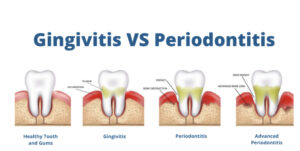
Neglected plaque hardens into tartar, a rough deposit that brushing and flossing can’t remove. Tartar buildup irritates gums and accelerates problems like cavities, gingivitis, and even tooth loss. That’s why daily plaque removal and routine dental cleaning are both essential to preventing serious oral health issues and keeping your smile healthy.

Brush Teeth Effectively
- Brush Twice Daily: Use a soft-bristled toothbrush and fluoride toothpaste to brush at least two times a day, for two full minutes each time. Brushing after meals is ideal to clear away plaque before it hardens.
- Proper Technique: Hold your toothbrush at a 45° angle to the gumline and use short, gentle circular strokes to clean every tooth surface. Be sure to brush the front, back, and chewing surfaces of all teeth, reaching the back molars and along the gumline.
- Upgrade Your Tools: Replace your toothbrush (or brush head) every ~3–4 months, since worn bristles clean less effectively. Consider using an electric toothbrush – studies show oscillating electric brushes remove more plaque and reduce gum inflammation compared to manual brushing.
- Baking Soda Boost: For extra plaque-fighting power, try a toothpaste containing baking soda occasionally. Baking soda is a mild abrasive that can safely scrub away plaque more effectively than regular toothpaste, without harming enamel. It also helps neutralize acids in your mouth, making it harder for plaque to form.

Floss and Clean Between Teeth
- Floss Every Day: Flossing removes plaque and food particles from between teeth and under the gumline where your toothbrush can’t reach. Do this once daily to prevent hidden plaque from hardening into tartar between your teeth.
- Floss First for Best Results: Research suggests that flossing before brushing might remove more plaque than flossing after. By flossing first, you loosen debris and plaque, allowing your toothbrush and toothpaste to clean more effectively afterward.
- Interdental Aids: If traditional floss is tricky, consider interdental brushes or picks to clean between teeth. A water flosser is another great tool – using a water flosser along with brushing can remove significantly more plaque (about 29% more by one study) than brushing and string floss alone. These tools blast away plaque in hard-to-reach spots, but they should supplement (not replace) regular flossing.
Mouthwash and Other Plaque-Fighting Aids
- Rinse with Mouthwash: An antiseptic or anti-plaque mouthwash can help kill bacteria and loosen plaque. Rinse once daily after brushing/flossing. Many over-the-counter mouthwashes contain fluoride for extra cavity protection. If you have gingivitis, a dentist might recommend a stronger prescription mouthwash for added plaque control.
- Chew Sugar-Free Gum: Chewing sugarless gum (especially one with the ADA Seal of Acceptance) after meals stimulates saliva flow. Saliva is your mouth’s natural defense to wash away food debris and neutralize acids. Popping a piece of sugar-free gum when you can’t brush right away helps dislodge plaque and reduce bacterial acids.
- Dental Products & Tools: Use plaque-disclosing tablets occasionally to reveal any spots you’re missing (they stain plaque on your teeth, showing where to brush better). Tongue scrapers can reduce bacteria on the tongue (improving breath, though tongue bacteria isn’t “plaque” on teeth). Overall, stick with ADA-approved products and tools to ensure they effectively help in plaque removal.
Diet and Lifestyle Tips to Prevent Plaque
- Watch Your Diet: The bacteria in plaque thrive on sugars and starches. Cutting back on sweets, sugary drinks, and refined carbs (like candy, soda, chips) reduces the fuel for plaque formation. Frequent snacking on such foods can create a constant acid attack on your enamel. Instead, choose tooth-friendly snacks – for example, cheese or yogurt (which neutralize acids), and crunchy fruits or veggies (which help scrub teeth). Drinking water throughout the day, especially after meals, also helps wash away food particles and acids.
- Healthy Habits: Avoid tobacco products – smoking or chewing tobacco can worsen plaque buildup and gum disease. If you smoke, plaque is more likely to harden into tartar and stain your teeth. Additionally, be mindful of medications or medical conditions (like dry mouth) that can increase plaque; counteract dryness by staying hydrated or using oral moisturizers.
Professional Dental Cleanings for Stubborn Plaque
- When Home Care Isn’t Enough: No matter how good your brushing and flossing are, some plaque can still harden into tartar (also called calculus) over time. Tartar cannot be removed at home – it bonds strongly to tooth enamel and must be scraped off with special tools by a professional. If you notice yellow or brown hardened deposits on your teeth, it’s time to see the dentist for a thorough cleaning.
- Regular Checkups: Dentists recommend routine cleanings at least twice a year (every 6 months) for most people. During a professional cleaning, the dentist or hygienist will scale away plaque and tartar even from hard-to-reach areas beneath the gums. They may also polish your teeth and apply fluoride to strengthen enamel. Regular dental visits not only remove built-up plaque but also allow early detection of any cavities or gum issues before they worsen.
- Advanced Care if Needed: If you have a lot of tartar or signs of gum disease, the dentist might suggest a deeper cleaning procedure (like scaling and root planing) to remove plaque and bacteria below the gum line. They can also provide guidance or prescription products (like stronger mouthwash or toothpaste) to help manage plaque if you’re prone to buildup. Following your dentist’s advice will keep your teeth and gums in their best shape.
Your next step? Book a cleaning at Willow Dental Care Vancouver and let our team help you stay ahead of plaque, naturally and professionally.
Conclusion
- Consistency is Key: The best way to beat dental plaque is through consistent daily care and periodic professional help. By brushing and flossing every day, using helpful aids like mouthwash, and seeing your dentist regularly, you can keep plaque under control. These habits will protect your teeth from decay and your gums from disease, giving you a healthier, brighter smile for the long run.
- A Healthy Smile for Life: Plaque may be persistent, but with the right routine you can be plaque-resistant. Commit to these best practices and you’ll not only remove existing plaque but also prevent future buildup. Your reward will be fresher breath, stronger teeth, and the confidence of a clean, healthy smile.