What Causes Toothache During Pregnancy?
Understanding the cause is essential before choosing a toothache treatment in pregnancy. Pregnancy creates changes that make teeth and gums more vulnerable.
1. Hormonal Changes
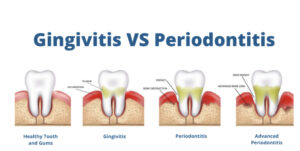
Higher progesterone and estrogen increase gum sensitivity and inflammation, leading to pregnancy gingivitis, one of the most common causes of tooth pain.
2. Increased Acidity
Morning sickness and frequent vomiting weaken enamel, causing cavities and sensitivity.
3. Poor Oral Hygiene from Fatigue
Many women skip flossing due to tiredness, allowing plaque buildup to worsen pain.
4. Existing Dental Issues
Old fillings, cracked teeth, and untreated cavities may flare up. This often leads to the need for professional care or procedures such as a Root Canal.
Is It Safe to Visit the Dentist While Pregnant?
Yes, dental treatment is safe in all trimesters, and avoiding treatment may lead to infections dangerous for both mother and baby. The American College of Obstetricians and Gynecologists confirms that x-rays with proper shielding, cleanings, and most treatments are safe.
For professional pregnancy-safe care, you may consult a specialist dentist such as Dr. Arezou Nejad
at dentist Vancouver, who has experience managing pregnant patients.
Is Tooth Treatment in Pregnancy Dangerous?
General Guide
Safe During Pregnancy
- Dental checkups and cleanings
- Fillings
- Treatment for cavities
- Root canal treatment (if needed)
- Tooth extractions (when necessary)
- Local anesthetics such as Lidocaine (with or without certain additives,
as recommended by your dentist and obstetrician)
Dental X-rays
Dental X-rays can be performed if necessary, using a lead apron and thyroid shield. Modern dental X-rays use very low levels of radiation.
Best Time for Non-Urgent Dental Work
The second trimester (weeks 14–27) is generally considered the most comfortable and preferred time for elective dental procedures.
Emergency dental treatment should be performed at any stage of pregnancy if needed.
Medications
- Many antibiotics and pain relievers are safe during pregnancy, but some are not.
- Acetaminophen is generally the preferred pain medication during pregnancy.
- Avoid taking medications on your own. Your dentist should know you’re pregnant and,
when appropriate, coordinate your care with your obstetrician.
Safe Toothache Treatment in Pregnancy
This section provides evidence-based, safe options for toothache treatment in pregnancy.
1. Warm Saltwater Rinse
A natural antibacterial method that reduces swelling without harming pregnancy.
2. FDA-Approved Pain Medication
Acetaminophen (Tylenol) is considered safe.
Avoid ibuprofen and aspirin unless your doctor approves.
3. Cold Compress
Apply 15 minutes on/15 minutes off to reduce inflammation.
4. Dental Procedure if Required
If the pain is caused by infection, cavity, abscess, or damaged tooth, professional treatment is necessary. Procedures such as Root Canal therapy are safe with proper monitoring during pregnancy.
Safe vs. Unsafe Options for Toothache Treatment in Pregnancy
| Treatment / Method | Safe During Pregnancy | Notes |
|---|---|---|
| Warm saltwater rinse | ✔️ | First-line treatment |
| Acetaminophen | ✔️ | Use recommended dosage |
| Dental x-rays | ✔️ | With lead apron |
| Antibiotics | ✔️ | Only penicillin, amoxicillin, clindamycin |
| Ibuprofen/Aspirin | ❌ | Avoid unless approved |
| Essential oils | ❌ | Many are unsafe |
| Root canal therapy | ✔️ | Safe with proper anesthesia |
| Teeth whitening | ❌ | Postpone until after pregnancy |
However, always consult your doctor before trying any treatment or medication.
This ensures that the chosen approach is completely safe for both you and your baby.
When to See a Dentist Immediately?
You should seek urgent toothache treatment in pregnancy if you experience:
- Persistent throbbing pain
- Fever or facial swelling
- Swollen or bleeding gums
- Broken tooth
- Signs of infection (bad taste, pus)
In such cases, contacting a professional dentist Vancouver is recommended.
Medications Safe for Toothache Treatment in Pregnancy
Pregnancy-Safe Medications
- Acetaminophen
- Penicillin / Amoxicillin
- Clindamycin
Avoid These During Pregnancy
- Ibuprofen
- Naproxen
- Aspirin
- Tetracycline antibiotics
These may affect fetal kidney function or tooth development.
Natural Home Remedies That Are Actually Safe
Here are verified home remedies that support toothache treatment in pregnancy without risk:
- Saltwater rinse
- Cold compress
- Sugar-free chewing gum for sensitivity
- Clove compress (short-term only, not ingesting essential oil)
- Increase hydration
- Use a pregnancy-safe toothpaste for sensitivity
How to Prevent Toothache During Pregnancy
Prevention is the safest and easiest way to avoid urgent toothache treatment in pregnancy.
Daily Oral Care Checklist
- Brush twice daily with fluoride toothpaste
- Floss once daily
- Rinse with alcohol-free mouthwash
- Avoid sugary snacks
- Chew sugar-free gum after meals
- Increase calcium and vitamin D intake
Visit a dental professional at least once per trimester
(For expert care in Canada, see dentist Vancouver, Dr. Arezou Nejad)
Can a Pregnant Woman Get a Root Canal?
Yes. A Root Canal is often the safest way to remove infection without harming the baby. Untreated dental infections can lead to preterm birth or low birth weight.
Conclusion: The Safest Approach to Toothache Treatment in Pregnancy
Tooth pain should never be ignored during pregnancy. Safe options exist, and treatments such as x-rays, fillings, and even root canals are recommended by dental and medical authorities when needed. Effective toothache treatment in pregnancy includes professional diagnosis, pregnancy-safe medication, home care, and preventive hygiene.
For expert guidance, consider consulting dentist Vancouver or Dr. Arezou Nejad, who specializes in gentle dental care for expectant mothers. If you are looking for a trusted dental clinic in Vancouver to treat your tooth pain, call Willow Dental Care now.