Crooked teeth are not just a cosmetic concern, they can affect your oral health, bite function, and self-confidence. If you are looking for a reliable dental clinic near me, understanding the most effective crooked teeth treatment options is essential. Modern dentistry offers a variety of solutions, from traditional braces to Invisalign, tailored to the severity of misalignment and your personal needs.
Proper treatment can improve your appearance, enhance oral hygiene, and prevent complications like tooth decay, gum disease, and jaw discomfort. This guide covers causes, treatment options, benefits, and maintenance tips to help you make informed decisions for a healthier smile.
What Causes Crooked Teeth?
Crooked teeth, or malocclusion, occur when teeth are misaligned, overlapping, or spaced irregularly. Causes include:
- Genetics: Jaw size and tooth alignment often run in families.
- Early Loss of Baby Teeth: Losing teeth prematurely can cause remaining teeth to shift.
- Childhood Habits: Prolonged thumb sucking, pacifier use, or tongue thrusting can misalign teeth.
- Dental Injuries: Trauma may displace teeth or damage the jaw structure.
- Oral Health Issues: Untreated cavities or gum disease can lead to shifting teeth.
Recognizing the underlying cause helps determine the most effective crooked teeth treatment. Consulting a professional dentist in Vancouver ensures you receive personalized advice and the right treatment plan.

How to Fix Crooked Teeth Without Braces
Crooked teeth can be corrected without traditional braces using modern dental solutions. The best method depends on the severity of misalignment and your needs.
Options:
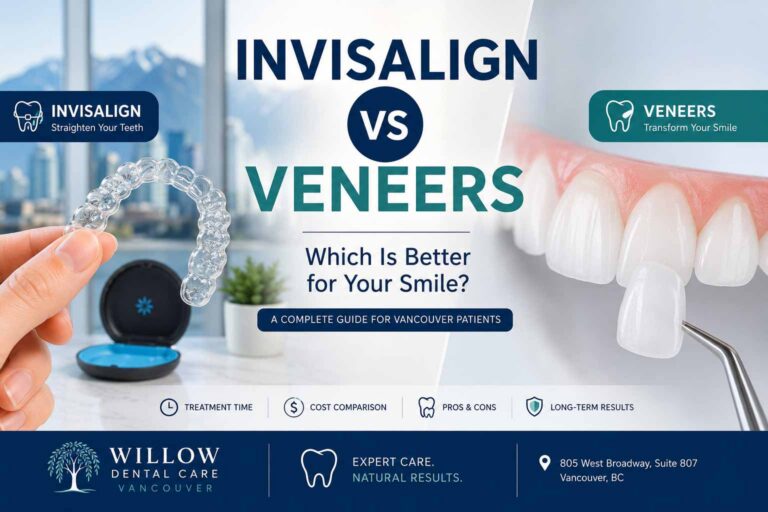
- Invisalign / Clear Aligners
Removable, nearly invisible trays that gradually shift teeth. Best for mild to moderate misalignment. - Dental Veneers
Thin porcelain or composite layers applied to teeth for an instant cosmetic improvement. They do not move teeth. - Cosmetic Contouring / Bonding
Minor reshaping or adding material to correct small irregularities. Suitable only for very mild cases.
Comparison Table
| Method | Advantages | Limitations |
|---|---|---|
| Invisalign / Clear Aligners | Invisible, removable, comfortable | Needs daily use, best for mild/moderate cases |
| Dental Veneers | Quick cosmetic improvement | Teeth do not move, mainly aesthetic |
| Cosmetic Contouring / Bonding | Fast, minimally invasive | Only for very minor crooked teeth |
Crooked Teeth Treatment Options
Modern dentistry provides multiple solutions for correcting crooked teeth. The choice depends on age, lifestyle, severity, and cosmetic preferences.
1. Traditional Braces
Braces are the most established method for correcting misaligned teeth. Metal or ceramic brackets are attached to teeth and connected with wires that gradually reposition them.
Advantages:
- Effective for complex misalignments
- Long-lasting and predictable results
- Suitable for all ages
Disadvantages:
- Visible on teeth
- Requires regular adjustments
- Can cause temporary discomfort
| Feature | Metal Braces | Ceramic Braces |
|---|---|---|
| Visibility | High | Low |
| Treatment Duration | 18–36 months | 18–36 months |
| Cost | Moderate | Higher |
| Effectiveness | High | High |
Braces are ideal for patients with severe crowding, bite problems, or those seeking a permanent correction.
2. Invisalign and Clear Aligners
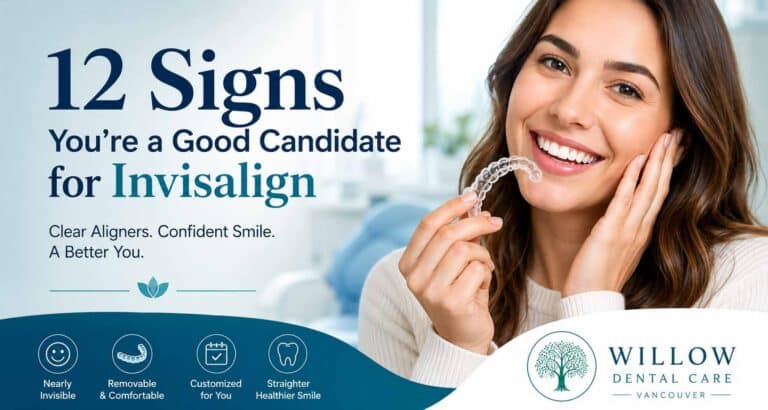
For a discreet option, Invisalign Vancouver offers clear aligners that gently move teeth over time. These removable trays are custom-made and nearly invisible, making them ideal for adults and image-conscious teens.
Advantages:
- Nearly invisible and comfortable
- Removable for eating and oral hygiene
- Less irritation than metal braces
Disadvantages:
- Requires 20–22 hours/day wear
- Not suitable for very complex cases
Invisalign is an excellent choice for mild to moderate misalignment and offers flexibility for busy lifestyles.
3. Dental Veneers
Veneers are thin porcelain shells applied to the front surface of teeth, perfect for minor misalignments or cosmetic enhancements.
Advantages:
- Instant cosmetic improvement
- Stain-resistant and natural-looking
- Minimal modification of existing teeth
Disadvantages:
- Does not correct bite issues
- Irreversible
- Higher cost than braces or aligners
Veneers work best in combination with orthodontic treatments for long-term results.
4. Retainers
Retainers are essential after any orthodontic treatment. They maintain alignment and prevent teeth from shifting back. Both fixed and removable retainers are effective.
| Retainer Type | Pros | Cons |
|---|---|---|
| Fixed | Permanent, no compliance needed | Harder to clean |
| Removable | Easy to clean, adjustable | Must remember to wear |
Consistent use is critical to protect your investment in straight teeth.

Benefits of Crooked Teeth Treatment
Straightening teeth improves more than just appearance. Key benefits include:
- Enhanced Oral Hygiene: Aligned teeth are easier to brush and floss, reducing the risk of cavities and gum disease.
- Improved Bite Function: Properly aligned teeth reduce strain on jaws and improve chewing.
- Boosted Confidence: A straight smile enhances self-esteem and social interactions.
- Long-Term Dental Health: Misaligned teeth are prone to wear and fractures; correcting them protects overall oral health.
Correcting crooked teeth can significantly improve quality of life and reduce dental complications in the future.
How to Choose the Right Treatment
When deciding on a crooked teeth treatment, consider these factors:
- Severity of Misalignment: Complex cases may require braces or a combination of methods.
- Cosmetic Preferences: Invisalign and ceramic braces are less noticeable.
- Age: Early intervention benefits children; adults have more cosmetic options.
- Oral Health Status: Address cavities and gum disease before orthodontic treatment.
Visiting a trusted dental clinic near me ensures your treatment plan is safe, effective, and customized to your needs.
Recovery and Maintenance
Recovery and maintenance differ depending on treatment type:
- Braces: Mild soreness initially; maintain excellent oral hygiene to prevent plaque buildup.
- Invisalign: Remove trays during meals, clean them regularly, and replace every 1–2 weeks.
- Veneers: Avoid hard foods; attend regular dental check-ups.
Retainers are crucial for maintaining results, and ongoing dental visits ensure long-term success.
Tips for Faster, Safer Results
- Follow your orthodontist’s instructions carefully.
- Maintain a rigorous oral hygiene routine.
- Avoid sticky, hard, or sugary foods that may damage appliances.
- Attend all scheduled dental appointments.
- Wear retainers consistently after treatment completion.
Conclusion
Effective crooked teeth treatment is achievable at any age. Options like traditional braces, Invisalign, dental veneers, and retainers provide solutions tailored to your needs. Consulting a professional dentist in Vancouver is the best way to ensure safe, effective, and personalized care.
Straightening your teeth improves appearance, oral health, bite function, and overall confidence. Take the first step toward a healthier, more beautiful smile by exploring professional treatment options today.
✅ Summary Table of Crooked Teeth Treatments
| Treatment Option | Best For | Pros | Cons |
|---|---|---|---|
| Metal Braces | Severe misalignment | Predictable, effective | Visible, requires adjustments |
| Ceramic Braces | Cosmetic concern | Less visible | Higher cost |
| Invisalign | Adults/teens | Nearly invisible, removable | Requires discipline |
| Veneers | Cosmetic enhancement | Immediate improvement | Irreversible, costly |
| Retainers | Post-treatment | Maintains alignment | Compliance needed |