If you’re considering improving your smile, you’ve likely come across treatments like dental bonding in Vancouver and veneers. Both are popular cosmetic dentistry options that can correct imperfections such as chipped, discolored, or uneven teeth. But when it comes to dental bonding vs veneers, which treatment is the better choice for your needs? Let’s break down everything you need to know.
What Is Dental Bonding?
Dental bonding is a cosmetic dental procedure that uses a tooth-colored composite resin to repair and enhance the appearance of your teeth. The dentist applies the resin to the tooth surface, shapes it to match your natural contour, and hardens it with a special curing light.
Benefits of Dental Bonding
- Quick and painless: Usually completed in one visit.
- Affordable: Typically costs less than veneers.
- Reversible: Little to no enamel removal is required.
- Natural results: Blends seamlessly with existing teeth.
When to Choose Dental Bonding
Dental bonding is ideal for:
- Small chips or cracks
- Minor discoloration
- Gaps between teeth
- Slightly misshapen teeth
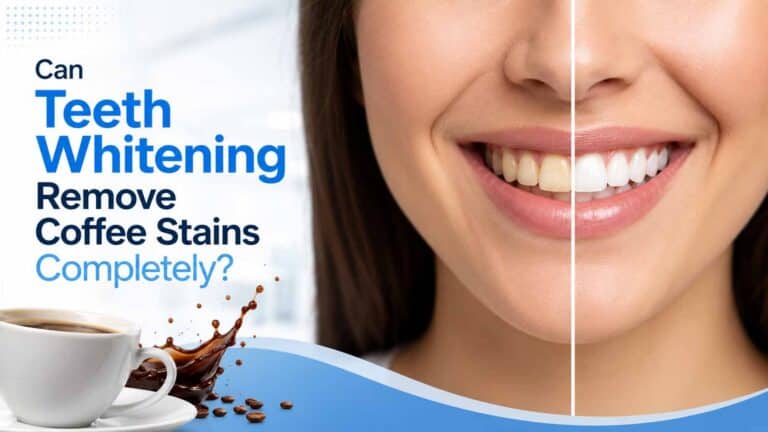
However, bonding may not last as long as veneers, especially for those who grind their teeth or frequently drink staining beverages like coffee or red wine.
What Are Veneers?
Veneers are thin, custom-made shells usually made of porcelain or composite materials that cover the front surface of your teeth. They are designed to improve color, shape, size, and alignment.
Benefits of Veneers
- Durability: Porcelain veneers can last 10–15 years with proper care.
- Aesthetic perfection: Offer a uniform, bright, and natural-looking smile.
- Stain resistance: Less prone to discoloration compared to bonding.
- Customization: Designed to match your exact tooth shade and shape.
When to Choose Veneers
Veneers are a better option if you’re looking for:
- A complete smile transformation
- Correction of moderate to severe discoloration
- More durable, long-term results
Keep in mind that applying veneers involves removing a thin layer of enamel, making the procedure irreversible.

Dental Bonding vs Veneers – Key Differences
Understanding dental bonding vs veneers comes down to evaluating your priorities: cost, durability, appearance, and level of invasiveness.
| Feature | Dental Bonding | Veneers |
|---|---|---|
| Material | Composite resin | Porcelain or composite |
| Cost | Lower ($200–$600 per tooth) | Higher ($900–$2,500 per tooth) |
| Durability | 4–8 years | 10–15 years |
| Procedure Time | One visit | Two or more visits |
| Stain Resistance | Moderate | High |
| Reversibility | Yes | No |
If you want a quick and affordable fix for minor cosmetic flaws, dental bonding is an excellent choice. But if you’re aiming for a more permanent and flawless smile makeover, veneers deliver superior long-term results.
Choosing Between Dental Bonding and Veneers
Ultimately, the dental bonding vs veneers decision should be based on your dental health, aesthetic goals, and budget. Consulting an experienced cosmetic dentist will help determine the best solution tailored to your smile.
Whether you need quick fixes or a complete smile transformation, both treatments offer beautiful, confidence-boosting results.
For more expert cosmetic dental care and personalized smile solutions, visit Willow Dental Care, your trusted dental professionals in Vancouver.