One of the most common questions patients ask during clear aligner treatment is whether they can Eat With Invisalign On. The short and direct answer is no. You should not Eat With Invisalign On because it can damage the aligners, stain them, and trap food particles against your teeth.
Read More | How to clean Invisalign Braces?
Can You Eat With Invisalign On?
No. You should remove your Invisalign aligners before eating or drinking anything except water. Eating while wearing your aligners can damage the plastic, cause stains, and trap food particles against your teeth.
Why You Should Remove Invisalign Before Eating
Keeping your aligners in while eating can:
- Crack or warp the aligners.
- Scratch the clear plastic, making them more noticeable.
- Trap food and bacteria, increasing the risk of plaque buildup and bad breath.
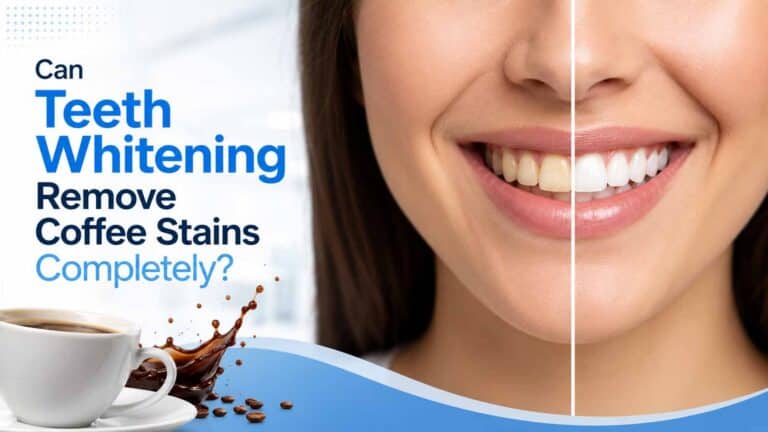
- Stain the aligners, especially from foods and drinks like coffee, tea, curry, or tomato sauce.
Many orthodontic competitors provide general advice, but often fail to clearly explain the practical risks of choosing to Eat With Invisalign On. This article provides a precise, patient focused explanation based on clinical recommendations and daily usability concerns.
If you are considering professional invisalign treatment in Vancouver, understanding proper aligner care is essential for achieving predictable results.
Why You Should Not Eat With Invisalign On
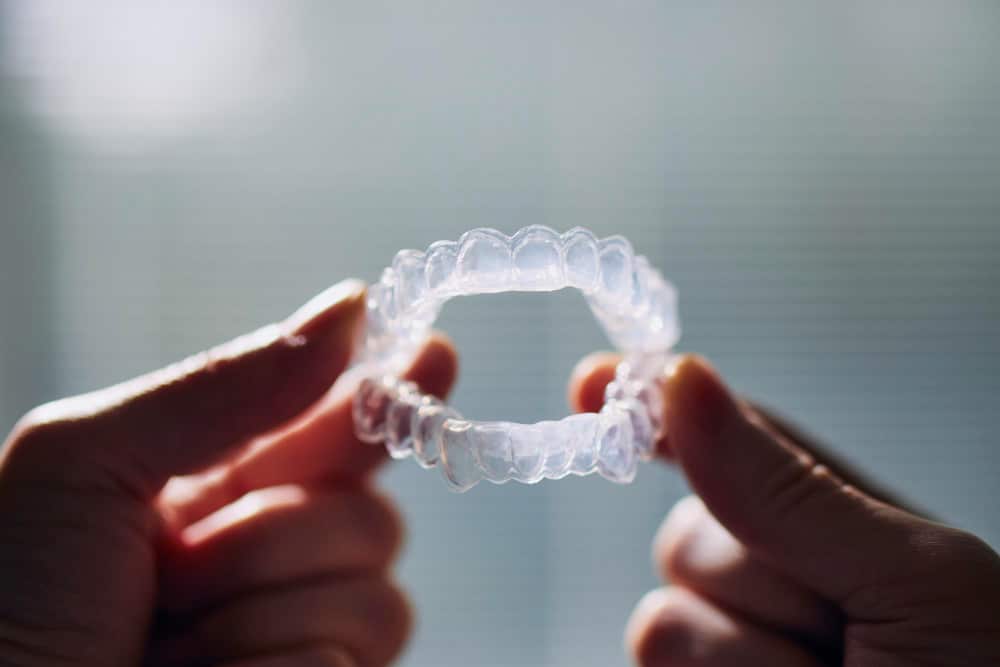
Trying to Eat With Invisalign On can interfere with treatment efficiency and oral hygiene. Invisalign trays are made from medical grade thermoplastic designed to apply controlled pressure to teeth. They are not built to withstand chewing forces.
Aligners must fit precisely. Even slight distortion from chewing pressure can affect tooth movement accuracy.
Mechanical Damage Risk
Chewing generates significant bite force. Plastic aligners are thin and flexible, not designed to absorb repetitive chewing pressure. If you Eat With Invisalign On regularly, micro fractures may develop, reducing structural integrity.
Increased Plaque Accumulation
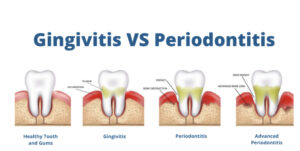
Food particles trapped between teeth and aligners create a warm, moist environment ideal for bacterial growth. This increases the risk of:
- Tooth decay
- Enamel demineralization
- Gingivitis
- Bad breath
Removing aligners before meals prevents this accumulation.
What Happens If You Accidentally Eat With Invisalign On?
Occasionally forgetting and starting to Eat With Invisalign On once is unlikely to cause major harm. However, repeated behavior may lead to:
- Delayed treatment progress
- Need for aligner replacement
- Additional dental visits
- Extra treatment costs
If this happens:
- Remove aligners immediately
- Rinse them with lukewarm water
- Brush teeth before reinserting
- Inspect for cracks or distortion
If you notice damage, contact your provider promptly.
If you are searching online for a trusted dental clinic near me, Willow Dental Care Vancouver provides modern orthodontic solutions with advanced technology and a patient centered approach to ensure safe and effective treatment.
What Can You Drink Instead of Eat With Invisalign On?
While you should not Eat With Invisalign On, certain drinks are safer than others.
Safe Options
- Plain cold or room temperature water
Risky Options
- Coffee
- Tea
- Soda
- Wine
- Sugary beverages
Hot drinks may warp aligners. Colored drinks may stain them. Sugary liquids can seep under trays and increase cavity risk.
Proper Routine Instead of Eating With Aligners
To maintain treatment success:
- Remove aligners before meals
- Store them in a protective case
- Brush and floss after eating
- Rinse aligners before reinserting
- Wear aligners 20 to 22 hours daily
Consistency is more important than convenience.
Comparison Table: Eating With vs Without Invisalign
| Factor | Eat With Invisalign On | Remove Before Eating |
|---|---|---|
| Risk of Damage | High | None |
| Staining | Likely | Minimal |
| Oral Hygiene | Compromised | Maintained |
| Treatment Accuracy | Reduced | Optimal |
| Comfort | Uncomfortable | Comfortable |
This comparison clearly shows why orthodontists advise against choosing to Eat With Invisalign On.
Why Compliance Determines Treatment Speed
Many patients choose Invisalign because of its flexibility and aesthetics. However, flexibility does not mean unrestricted eating. Invisalign relies on controlled, uninterrupted pressure cycles.
If you repeatedly Eat With Invisalign On and reduce effective wear time, tooth movement may slow. This can extend overall treatment duration.
Clinical Recommendation
Orthodontic guidelines emphasize:
- Minimum 20 hours daily wear
- Removal only for meals and oral hygiene
- Proper aligner cleaning
Skipping these steps compromises results.
Common Patient Misconceptions
It’s Just a Soft Snack
Even soft foods require chewing force. Whether it is bread, fruit, or pasta, chewing still creates pressure that can distort aligners.
I’ll Rinse Them Later
Rinsing alone does not remove trapped sugars and acids. Proper brushing is necessary before reinsertion.
Clear Aligners Are Strong Plastic
They are durable but not chew resistant.
Best Practice Strategy
To avoid the temptation to Eat With Invisalign On:
- Plan meal times
- Carry a travel toothbrush
- Keep a protective case with you
- Avoid snacking frequently
Structured eating patterns reduce aligner removal frequency while maintaining hygiene.
When to Contact Your Dentist
Seek professional advice if:
- Aligners feel loose after eating
- Visible cracks appear
- Treatment trays do not fit properly
- Persistent odor develops
Early intervention prevents complications.
Final Clinical Insight
The answer to whether you should Eat With Invisalign On remains consistent across orthodontic authorities: do not do it. The system is engineered for removable convenience. Taking advantage of that design protects your investment, oral health, and final results.
Patients who follow instructions precisely experience:
- Predictable tooth movement
- Fewer refinements
- Lower risk of cavities
- Healthier gums
Avoiding the habit to Eat With Invisalign On ensures aligners stay clear, intact, and effective throughout treatment.
By maintaining proper hygiene, structured eating habits, and professional supervision, Invisalign treatment remains comfortable, discreet, and highly efficient.