Teeth gaps are very common and can affect both appearance and confidence. Many people search for natural ways to fix them at home, hoping for simple and affordable solutions. But the truth is more complex. While some habits can support oral health, real and permanent changes usually require dental treatment.
In this guide, Willow Dental Care Vancouver experts will explore natural methods, common myths, causes of teeth gaps, and the most effective professional solutions like braces and clear aligners.
Why Do Gaps Between Teeth Form in Adults?
Teeth gaps (also called diastema) can develop for several reasons. Some people are born with them,
while others develop them over time.
- Mismatch between tooth size and jaw size
- Missing teeth or extra spacing in the jaw
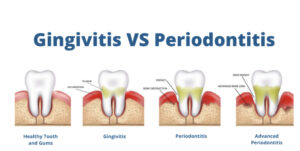
- Gum disease that affects tooth stability
- Childhood habits like thumb sucking
- Natural shifting of teeth with age
Understanding the cause is important because it determines whether the gap can be improved naturally
or needs orthodontic treatment.
Can Teeth Gaps Close on Their Own?
In most cases, teeth gaps do not close on their own in adults. Teeth are fixed in the jawbone, and they do not naturally move without pressure or orthodontic force.
However, in children and teenagers, small gaps may reduce as permanent teeth grow in. In adults, noticeable changes usually require braces or aligners.
How to Close Teeth Gaps Without Braces Naturally
Many people search for natural methods to close gaps between teeth. While these methods cannot
physically move teeth, they can help improve appearance and prevent worsening.
- Avoid habits like nail biting, pen chewing, or tongue thrusting
- Maintain strong oral hygiene to prevent gum disease
- Practice correct tongue posture (light pressure on the roof of the mouth)
- Eat a balanced diet to support healthy gums and teeth
These steps support oral health, but they do not replace orthodontic treatment.
Best Home Remedies for Small Gaps Between Teeth
There are no scientifically proven home remedies that can close tooth gaps permanently. However, some practices may help improve overall dental appearance:
- Oil pulling to reduce bacteria and improve gum health
- Brushing with fluoride toothpaste to strengthen enamel
- Regular flossing to prevent gum disease-related shifting
These methods improve hygiene but will not physically move teeth closer together.
Easy Oral Habits to Improve Teeth Alignment Naturally
Good oral habits play an important role in keeping teeth stable and preventing gaps from getting worse.
- Brush twice daily for at least two minutes
- Floss once a day to keep gums healthy
- Drink enough water to support saliva flow
- Avoid excessive pressure on front teeth
While these habits won’t close gaps, they help maintain dental structure and prevent further spacing.
How Tongue Position Affects Teeth Spacing
Tongue posture can influence how teeth shift over time. Pressing the tongue against front teeth frequently may slowly push them forward.
Proper tongue posture means resting the tongue gently on the roof of the mouth without pressure on the teeth. This may help support better alignment, especially in younger individuals.
Foods That Help Maintain Healthy Teeth and Gums
A healthy diet supports strong teeth and gums, reducing the risk of shifting and spacing issues.
- Calcium-rich foods like milk and cheese
- Crunchy fruits and vegetables like apples and carrots
- Foods high in vitamin C for gum health
- Nuts and seeds for mineral support
Read more | Dental Bridge Costs in Vancouver in 2026
Common Myths About Closing Teeth Gaps at Home
Many myths circulate online about fixing teeth gaps naturally. Let’s clear them up.
- Myth: Rubber bands can safely close gaps at home
- Fact: This can damage teeth and gums
- Myth: Exercises can move teeth permanently
- Fact: Teeth do not move without orthodontic force
- Myth: Oils or natural remedies can shift teeth
- Fact: They only improve hygiene, not alignment
Difference Between Natural Methods and Invisalign Treatment
Natural methods help with hygiene and prevention, but Invisalign and braces actively move teeth.
Invisalign uses clear aligners that apply controlled pressure to gradually close gaps. Braces use wires and brackets for more complex adjustments.
Both treatments are safe, effective, and supervised by dental professionals.
Braces vs Clear Aligners: Best Option for Teeth Gaps
Choosing between braces and aligners depends on the severity of the gap and personal preference.
- Braces: Best for large or complex gaps
- Aligners: Best for mild to moderate gaps
- Braces: Fixed and effective 24/7
- Aligners: Removable and more discreet
A dentist can recommend the best option after a full examination.
How to Prevent Teeth Gaps from Increasing Naturally
Prevention is easier than correction. You can reduce the risk of widening gaps by:
- Maintaining strong oral hygiene
- Regular dental check-ups
- Avoiding harmful habits like nail biting
- Treating gum disease early
While many people hope to close teeth gaps naturally at home, the reality is that most gaps cannot be permanently fixed without orthodontic treatment. Natural methods can support oral health and prevent worsening, but they cannot move teeth.
For real and lasting results, treatments like braces or clear aligners remain the most effective solutions. A dental consultation with a qualified dentist in Vancouver is always the best first step.
This article is verified by Dr Nejad a dentist in Willow Dental Care Vancouver.
FAQs
Can I close teeth gaps at home naturally?
No, natural methods cannot permanently close gaps, but they can improve oral health.
Do tongue exercises really work?
They have very limited effect and cannot replace orthodontic treatment.
What is the fastest way to close teeth gaps?
Braces or Invisalign are the fastest and most effective professional options.
Are teeth gaps harmful?
They are usually not harmful, but in some cases may affect bite or gum health.