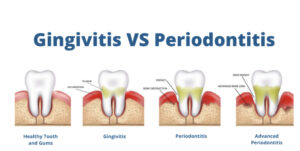
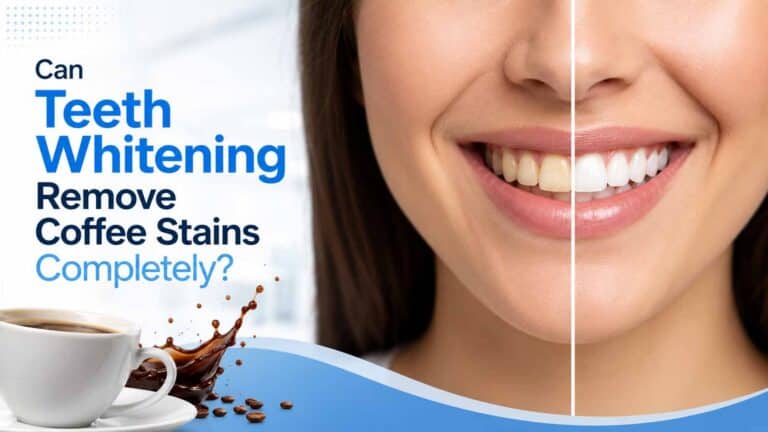
Tooth decay is one of the most common dental problems worldwide, but it is also highly preventable with proper oral care. Learning how to prevent tooth decay is essential for maintaining strong teeth, healthy gums, and an overall confident smile. Preventive measures help avoid cavities, gum disease, and more complex dental issues over time. For patients seeking professional guidance, searching dental clinic near me can connect you with Willow Dental Care, a trusted provider offering specialized treatments with advanced technology and high professional standards.
Understanding Tooth Decay
Tooth decay occurs when acids produced by bacteria in the mouth erode the enamel, leading to cavities. Sugar and starches from food fuel these bacteria, making diet and oral hygiene crucial in preventing decay. Early prevention ensures that teeth remain strong, reduces the risk of infections, and minimizes costly dental procedures.
Key Factors Contributing to Tooth Decay:
- Poor oral hygiene
- Frequent consumption of sugary or acidic foods
- Dry mouth or insufficient saliva production
- Genetic predisposition
- Infrequent dental checkups
By understanding these factors, patients can adopt strategies that directly address the causes of decay and protect their oral health.
Daily Habits: How to Prevent Tooth Decay
1. Brush Properly and Regularly
Brushing teeth at least twice daily with fluoride toothpaste removes plaque and food particles. Focus on all surfaces of the teeth, including the gumline, molars, and hard-to-reach areas. Use a soft-bristled toothbrush to avoid enamel damage.
2. Floss Daily
Flossing eliminates plaque and debris between teeth where a toothbrush cannot reach. Regular flossing reduces the risk of cavities forming in these tight spaces and promotes healthy gums.
3. Limit Sugary and Acidic Foods
Bacteria feed on sugar and starches, producing acids that erode tooth enamel. Reduce the intake of sugary drinks, candies, and processed snacks. Opt for balanced meals that include fruits, vegetables, and whole grains to protect teeth naturally.
4. Use Fluoride Treatments
Fluoride strengthens tooth enamel and makes it more resistant to acid attacks. Using fluoride toothpaste, mouth rinses, or receiving professional fluoride treatments at your dental clinic reinforces enamel and prevents decay.
5. Drink Plenty of Water
Water helps wash away food particles and bacteria from the mouth while promoting saliva production. Saliva naturally neutralizes acids and maintains a healthy oral environment, crucial for preventing cavities.
Professional Care: Regular Dental Checkups
Routine dental visits are essential in the fight against tooth decay. Dentists can detect early signs of cavities, provide professional cleanings, and offer preventive treatments such as sealants. Scheduling checkups every six months ensures that teeth remain healthy and that decay is caught before it progresses.
Benefits of Professional Care:
- Early detection of cavities and enamel erosion
- Cleaning that removes hardened plaque (tartar)
- Personalized advice for oral hygiene
- Preventive treatments like sealants and fluoride application
Advanced Prevention Tips
- Chew sugar-free gum: Stimulates saliva production to neutralize acids
- Avoid frequent snacking: Reduces the amount of acid exposure to teeth
- Replace toothbrush every 3 months: Ensures effective plaque removal
- Consider dental sealants: Protective coatings for molars to prevent decay
Comparison Table: Prevention Methods
| Method | Frequency | Benefits | Notes |
|---|---|---|---|
| Brushing with fluoride | Twice daily | Removes plaque, strengthens enamel | Use soft-bristled toothbrush |
| Flossing | Daily | Cleans between teeth, reduces gum disease | Critical for tight spaces |
| Diet management | Ongoing | Reduces acid attacks, protects enamel | Limit sugar and acidic foods |
| Fluoride treatment | As advised | Strengthens enamel, prevents cavities | Professional or home-based |
| Regular dental visits | Every 6 months | Early detection, professional cleaning | Recommended for long-term oral health |
Conclusion
Learning how to prevent tooth decay is essential for maintaining healthy teeth, avoiding cavities, and reducing the need for extensive dental procedures. Daily habits such as brushing, flossing, monitoring diet, using fluoride, and drinking water, combined with professional care at a trusted clinic, ensure strong teeth and a confident smile. Implementing these preventive strategies protects oral health and promotes long-lasting dental wellness.