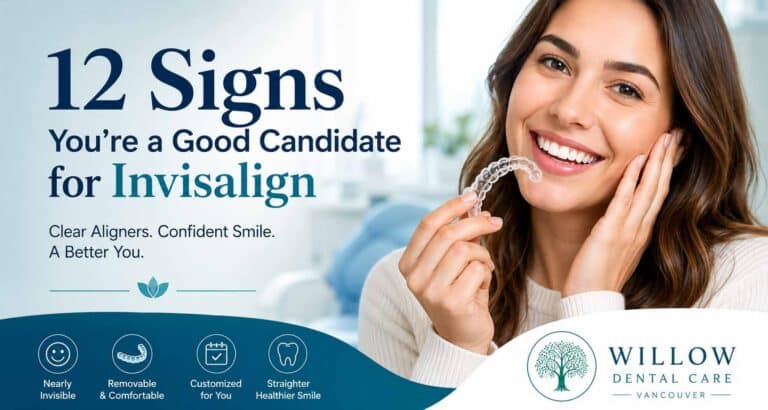
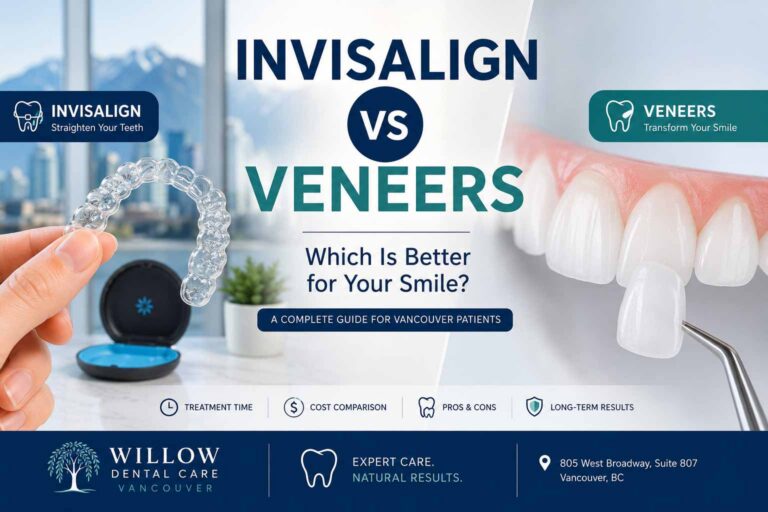
Invisalign is a modern, discreet alternative to metal braces that uses a series of clear, removable aligners to gradually shift your teeth into their ideal position. Designed for both teens and adults, Invisalign has become the go-to solution for people looking to improve their smile without the aesthetic or lifestyle drawbacks of traditional orthodontics. Whether you’re preparing for a big presentation or a big day, understanding how Invisalign works can help you decide if it’s the right fit for your needs.
Why Invisalign Is Popular
- Nearly invisible when worn.
- Comfortable with no metal brackets or wires.
- Removable for eating, brushing, and flossing.
- Fewer office visits than traditional braces.
- Suitable for many teens and adults with mild to moderate orthodontic issues.
How Invisalign Works: Step-by-Step
1. Initial Consultation

The process begins with a consultation with a certified Invisalign provider. Your dentist or orthodontist will evaluate your bite, alignment issues, and overall oral health to determine if Invisalign is a good fit for your case. Using a digital scanner, they’ll take a 3D image of your teeth, no messy impressions needed.
2. Custom Aligner Design
Your 3D scan is used to map out a precise, personalized treatment plan. Using advanced software, your provider can show you a virtual simulation of how your teeth will move and what your smile could look like after treatment. This plan outlines the exact movements your teeth will make throughout the course of treatment. Based on this digital roadmap, a series of aligners will be created specifically for you. Each set is slightly different and designed to shift your teeth a small step at a time.
3. Wearing the Aligners
Once you receive your aligners, you’ll be instructed to wear them for 20–22 hours per day, removing them only to eat, drink (except water), brush, and floss. Every 1–2 weeks, you’ll switch to the next set of aligners in the series. These incremental changes apply gentle, consistent pressure to move your teeth gradually and predictably.
4. Monitoring Progress
Throughout your treatment, you’ll visit your dental provider every 6–8 weeks to ensure everything is progressing according to plan. At times, small adjustments might be made, and in some cases, additional aligners may be needed to refine the final result.
5. Final Retainers
Once your Invisalign treatment is complete, you’ll receive custom retainers to help maintain your new smile. Wearing retainers as directed is critical without them, your teeth could slowly shift back to their original positions.
What Makes Invisalign Different from Traditional Braces
Unlike metal braces, Invisalign aligners are made of clear, BPA-free plastic and are nearly invisible when worn. They’re removable, which means you can eat, brush, and floss without any obstructions. No brackets. No wires. No food restrictions. And because the treatment is digitally planned, you can often see a virtual preview of your smile before you even begin.
[Read More: Is Invisalign faster than braces?]
Benefits of Invisalign
- Discreet Appearance: The clear aligners are nearly invisible, making them ideal for professionals and socially active individuals.
- Removability: Enjoy your favorite foods without restriction, just take out your aligners before meals.
- Comfort: Smooth plastic means no sharp metal edges or brackets to irritate your gums or cheeks.
- Improved Hygiene: Brushing and flossing are easier compared to fixed braces.
- Predictable Results: Thanks to advanced 3D imaging and planning software, you and your dentist can visualize the treatment process and expected outcome.
How Do I Get All the Benefits of Invisalign?

To get the full benefits of Invisalign, it’s essential to work with a skilled and experienced provider. A professional can ensure your treatment is properly planned, closely monitored, and adjusted as needed to achieve the best possible results.
If you’re in British Columbia, we recommend visiting Dr. Arezo Nejad, a trusted expert in Invisalign Vancouver. Her experience and attention to detail can help guide you through every step of the Invisalign process with confidence.
Limitations and Suitability
While Invisalign is effective for most mild to moderate orthodontic issues like spacing, crowding, or minor bite correction it may not be suitable for severe misalignments or complex bite problems. Additionally, because the success of the treatment depends on consistent wear, it requires a high level of patient compliance. It may not be ideal for young children or individuals who frequently forget to wear their aligners.
Next Steps
Invisalign offers a sophisticated, convenient, and effective way to straighten your teeth without the inconvenience of traditional braces. If you’re considering orthodontic treatment, the first step is a consultation with a qualified provider who can assess your needs and walk you through your personalized treatment plan.
Your dream smile is more achievable than you think ,clear, comfortable, and just a consultation away. Call us now at Willow Dental Care Vancouver to get free consultation for Invisalign treatment.